
Kotlin Multiplatform & Compose Multiplatform Specialists
We were building with Kotlin Multiplatform before it was the obvious choice.
Satisfied
Clients
Years of
Experience
Projects
Delivered
Clients under
NDA


Kotlin Multiplatform vs Native + AI: The Questions Teams Ask
Should Enterprises Adopt Kotlin Multiplatform in the Age of AI?
These are the questions we hear the most from enterprise teams exploring Kotlin Multiplatform.
%202.svg)
AI can generate code, but senior engineers still have to design, review, integrate, and maintain it. With two native codebases, that overhead doubles permanently: every feature, every bug fix, every platform update, year after year.

Kotlin Multiplatform has been production-stable since 2023. Companies like Netflix, VMware, and Cash App run it at scale. The real risk is adopting it without a team that has shipped KMP under real production constraints.

We’ve migrated apps with 80,000+ active users, years of accumulated technical debt, and little to no documentation. Codebase age and complexity aren’t blockers, but lack of migration experience is.
In theory, yes. In practice, this is where most teams stall. iOS developers learning Kotlin shared logic and Android developers adapting to Compose for iOS without prior KMP production experience usually hit serious delivery slowdowns by sprint four.
engineers trusted by enterprise CTOs.

Pioneers in KMP
We were among the early adopters of Kotlin Multiplatform in production mobile apps.
Over time, this allowed us to build strong internal expertise and proven patterns that allow our partners to rely on us, whether they’re starting a KMP project from scratch or migrating an existing app.


Want the latest KMP updates?
Occasional updates on Kotlin Multiplatform, architecture patterns, and what we learn building production apps.
Case Study
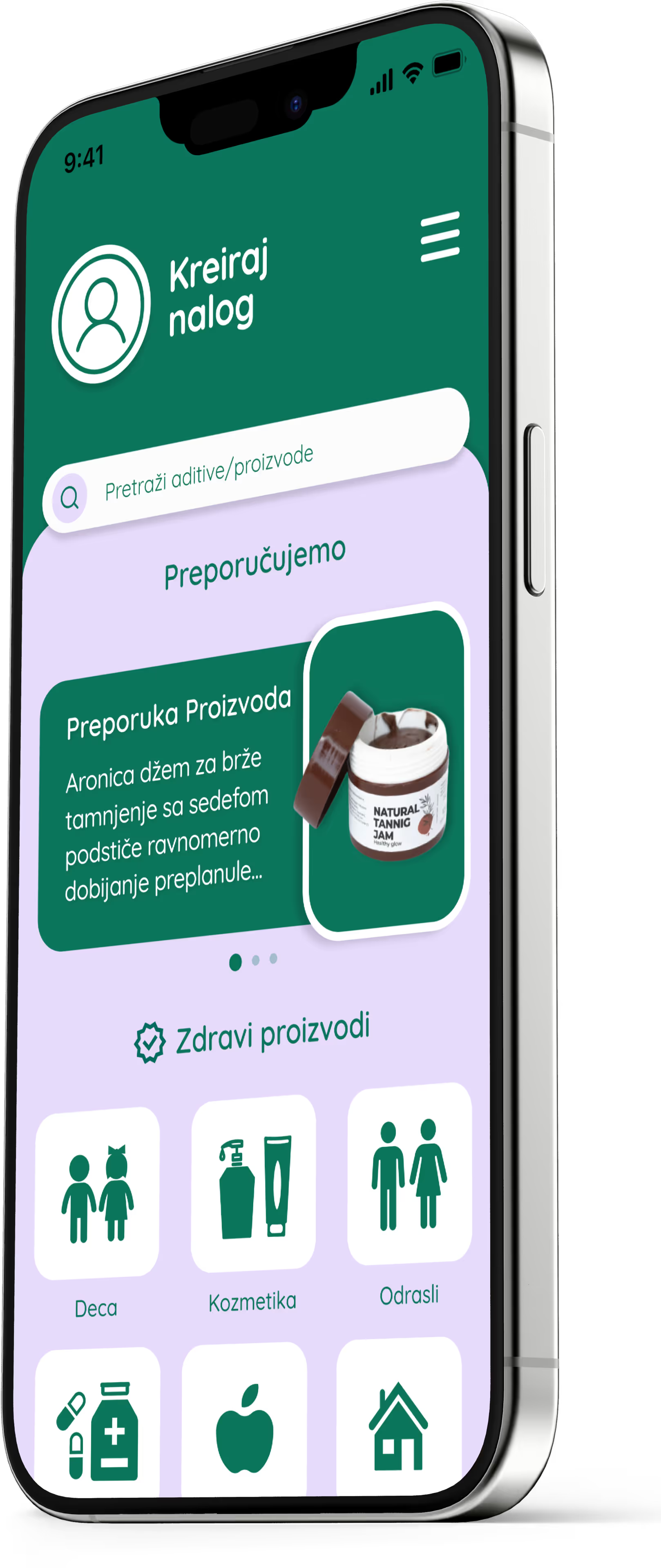
What a real KMP migration looks like
80,000 active users, a year's worth of accumulated bugs, and a React Native codebase that couldn't scale anymore.
Healthcare
.svg)
React Native → Kotlin Multiplatform + Compose Multiplatform

Less memory usage

Bugs post-launch

New downloads
80K users on a React Native app plagued by performance issues, a bug backlog that had persisted for over a year, and images stored in device memory instead of a server, making crashes frequent and App Store ratings unstable.
Full rewrite from React Native to KMP, sharing business logic across platforms while building native UI separately with Compose Multiplatform. Complete backend optimization including moving all image storage server-side.
72% reduction in memory usage. Zero bugs at launch. 5,000 new downloads after App Store ranking improved from performance gains. Users said it felt like a completely new app.



We use them for codebase analysis, implementation, refactoring, test generation, debugging, and documentation.
AI helps us complete prototyping, coding, testing, and documentation faster across the entire development process.

We use them for codebase analysis, implementation, refactoring, test generation, debugging, and documentation.
This Is How Our Engineers
Build KMP Apps
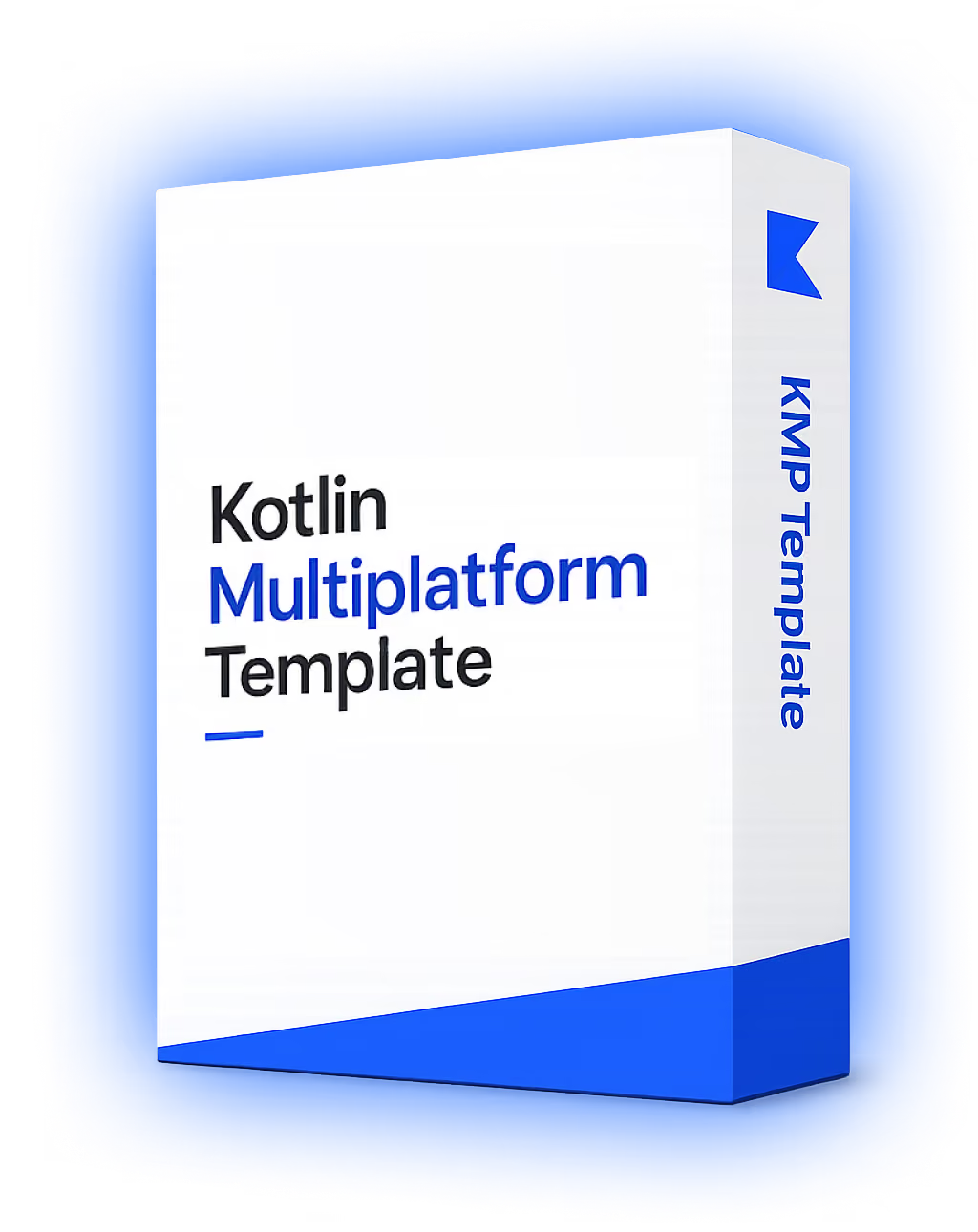
Here's the production-ready Kotlin Multiplatform template they built. Clean architecture, shared business logic, Firebase, Ktor.
How We Work
What working with Aetherius looks like

KMP is production-ready
Who's already running it at scale
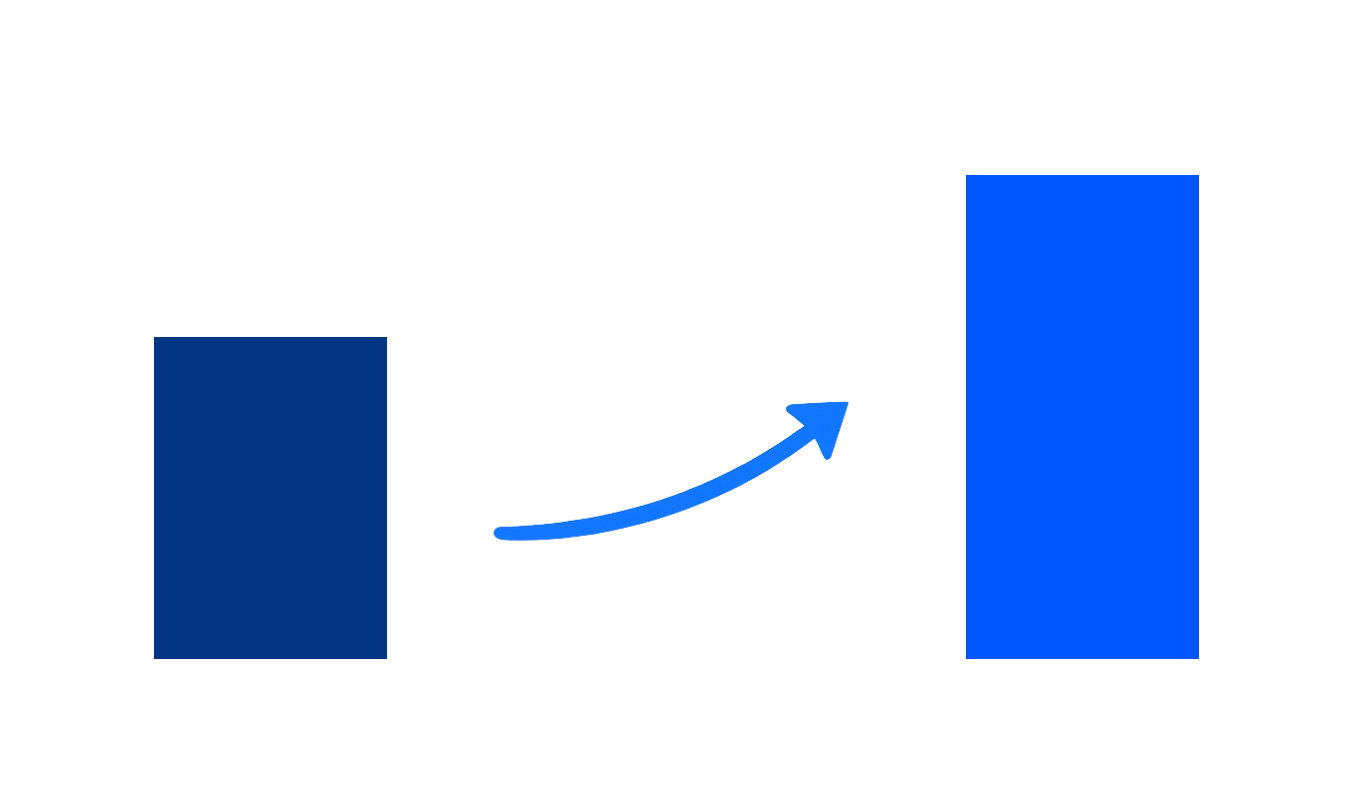
KMP/CMP adoption among professional developers more than doubled in a single year: from 7% to 18%. These are the teams that moved early.


.svg)




This is the direction serious mobile teams are moving.
What our clients say


“Thanks to Aetherius, the client met deadlines, maintained quality, and handled multiple projects without slowing down development. The team managed the project well and communicated through virtual meetings. The client also praised the developers' seniority and their quick integration.”


"Aetherius' work achieved the correct functionality, satisfying the client's expectations, and planning to collaborate on a larger project in the future."


"Aetherius helped the client improve revenue and customer ratings. The team always provided content on time and took the initiative to solve things really quickly."


“Aetherius built SDKs for our apps across multiple platforms. The development process was smooth, and working with their team was a good experience from start to finish. Any questions we had were handled quickly.”



Ready to ship KMP the right way?
Just a conversation about your setup and whether we're the right fit.