

Migrate from Native to Cross-Platform





.png)



Why Migrate From Native to Cross-platform?
Cut development costs by 30-50 %
Switching from separate iOS and Android teams to a single cross-platform app development workflow dramatically reduces expenses. One codebase means fewer resources and lower long-term maintenance costs.
Speed Up Your MVP Launch
Build and release one MVP for both iOS and Android at the same time. Using Kotlin Multiplatform (KMP) or Compose Multiplatform (CMP), you validate your app idea faster and reach users on both platforms sooner, reducing time to market.
Simplify Your Maintenance and Updates
Manage a single shared business-logic codebase so every bug fix, security patch, or new feature rolls out simultaneously across iPhone and Android. This streamlined approach cuts long-term costs and keeps your app stable.
Deliver a Consistent UX
Provide a native-like look and feel across devices with one unified design system. Your brand stays recognizable and users enjoy the same high-quality experience whether they’re on iOS or Android.
Shared Code
We use them for codebase analysis, implementation, refactoring, test generation, debugging, and documentation.
AI helps us complete prototyping, coding, testing, and documentation faster across the entire development process.
AI accelerates our team, but our senior engineers still own code review, testing, and QA.
We'll Recommend the Best Migration Technology
Ideal when you need to stay within budget while keeping native UI flexibility.
KMP allows you to share business logic across iOS and Android while still using native UI components,speeding up development without sacrificing performance.
Perfect for teams that want a modern, shared UI and business logic in one codebase.
CMP enables you to build beautiful, responsive interfaces for both iOS and Android, reducing maintenance and accelerating releases.
If not knowing what to choose, here you can get more info about KMP vs CMP.
Best for apps requiring a fully shared UI across iOS and Android, ensuring fast cross-platform development with near-native performance and a rich widget library.
A solid choice for projects that need quick time-to-market and strong community support,offering
a balanced mix of speed, performance, and reusable components.

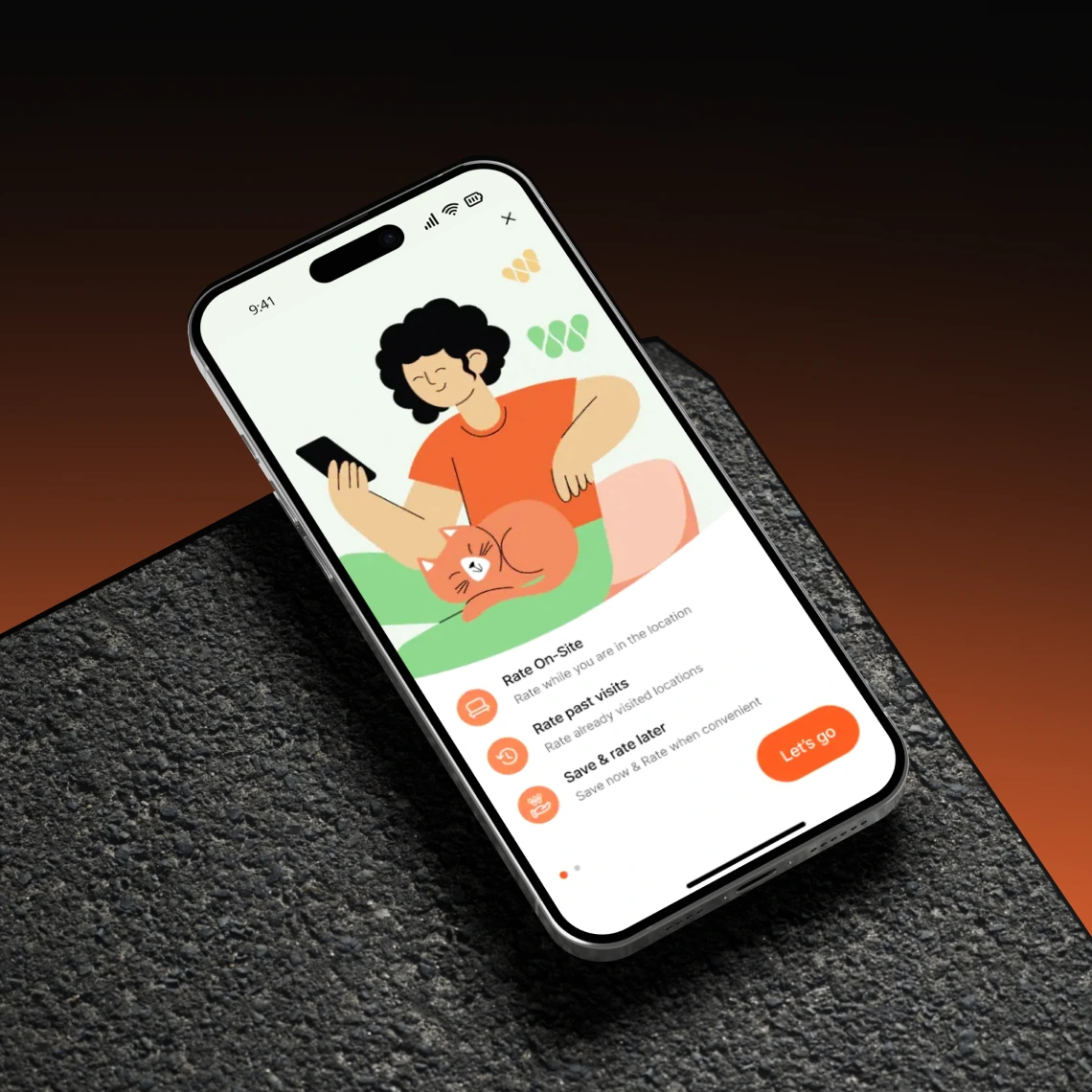
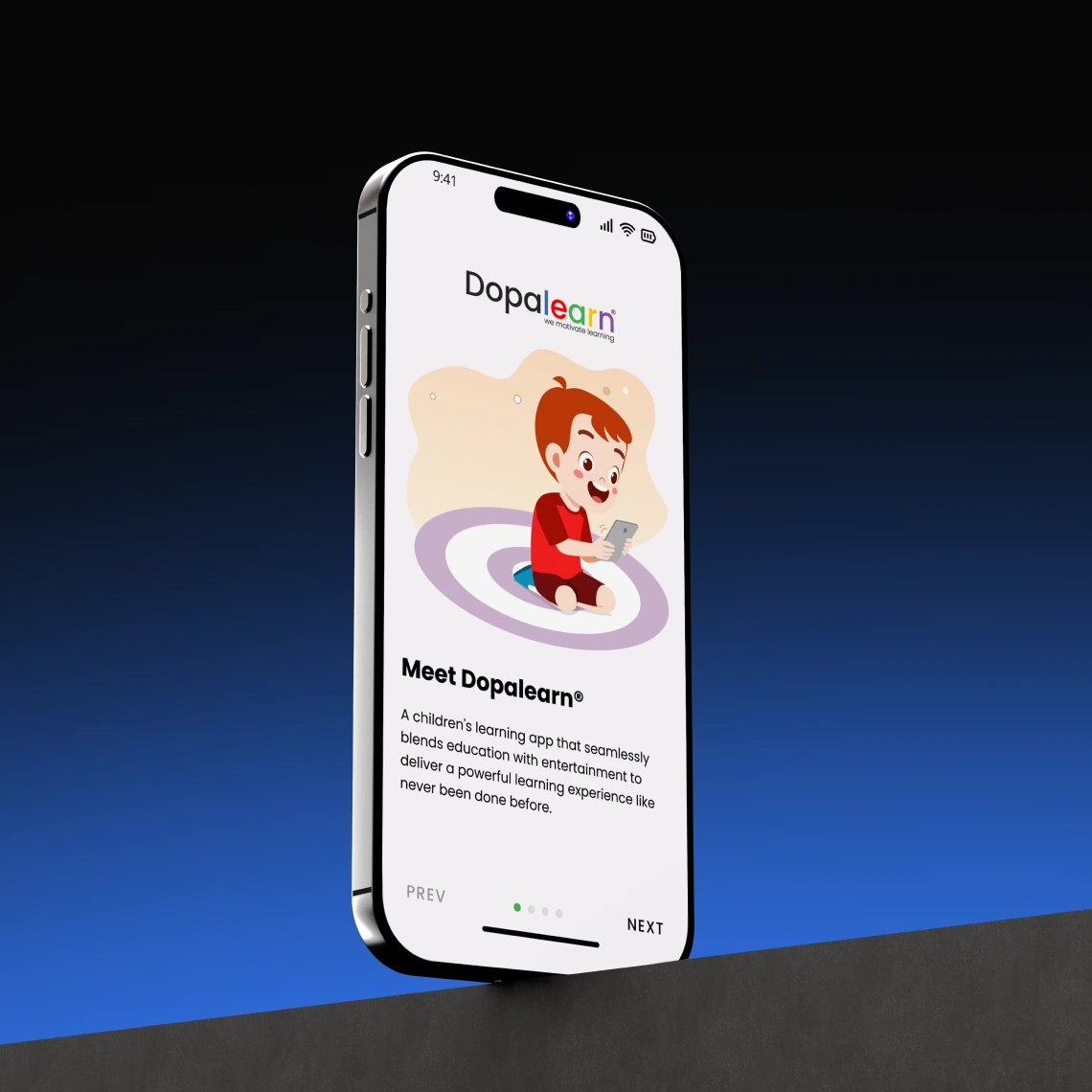
Apps We Built For Clients

.svg)

“Thanks to Aetherius, the client met deadlines, maintained quality, and handled multiple projects without slowing down development. The team managed the project well and communicated through virtual meetings. The client also praised the developers' seniority and their quick integration.”

“Aetherius built SDKs for our apps across multiple platforms. The development process was smooth, and working with their team was a good experience from start to finish. Any questions we had were handled quickly.”


"Aetherius helped the client improve revenue and customer ratings. The team always provided content on time and took the initiative to solve things really quickly."


"Aetherius' work achieved the correct functionality, satisfying the client's expectations, and planning to collaborate on a larger project in the future."


"What stood out most about Aetherius was their exceptional adaptability and dynamic problem-solving approach."
"I worked with Aetherius team on an early-stage project. They were great at taking direction and executing a functional prototype of our concepts.
Would love to work with his team again."

"We have had a great experience with Aetherius Solutions. Their skilled developers provided us with clear and detailed information, ensuring effective communication throughout the project.
I would highly recommend them for any project you might have."
"Aetherius team reassured us with their experience and knowledge that there are still companies that respect agreements. We successfully executed our plans, and the team followed our desires throughout, consistently working on the Salona application."

"We had a specific industry problem and wanted to help people solve it with a unique app. Our first plan was to test the MVP version in a couple of smaller cities in Serbia, but we didn't expect to encounter such positive reactions from users so quickly. Aetherius Solution's team developed the first version in just 1 month with O bugs and issues!"

"Aetherius successfully completed the app, meeting our expectations.
Moreover, the team communicated effectively and frequently via email and messaging apps, ensuring a smooth collaboration. Overall, their promptness and ability to deliver on time were hallmarks of their work."

"Aetherius developers immediately identified why my app was experiencing bugs that had been a problem for over a year! After that, the number of downloads increased, and users told me it felt like they were using a completely new app. I especially appreciate their detailed reporting on the process."

"Aetherius successfully delivered a functional cross-platform app on schedule, meeting all requirements. The team established a CI/CD pipeline and monitoring framework, enabling rapid iteration cycles. Aetherius' project management was well-structured and responsive. Their technical depth stood out."

All Technologies
We Work With


This Is How Our Engineers
Build KMP Apps
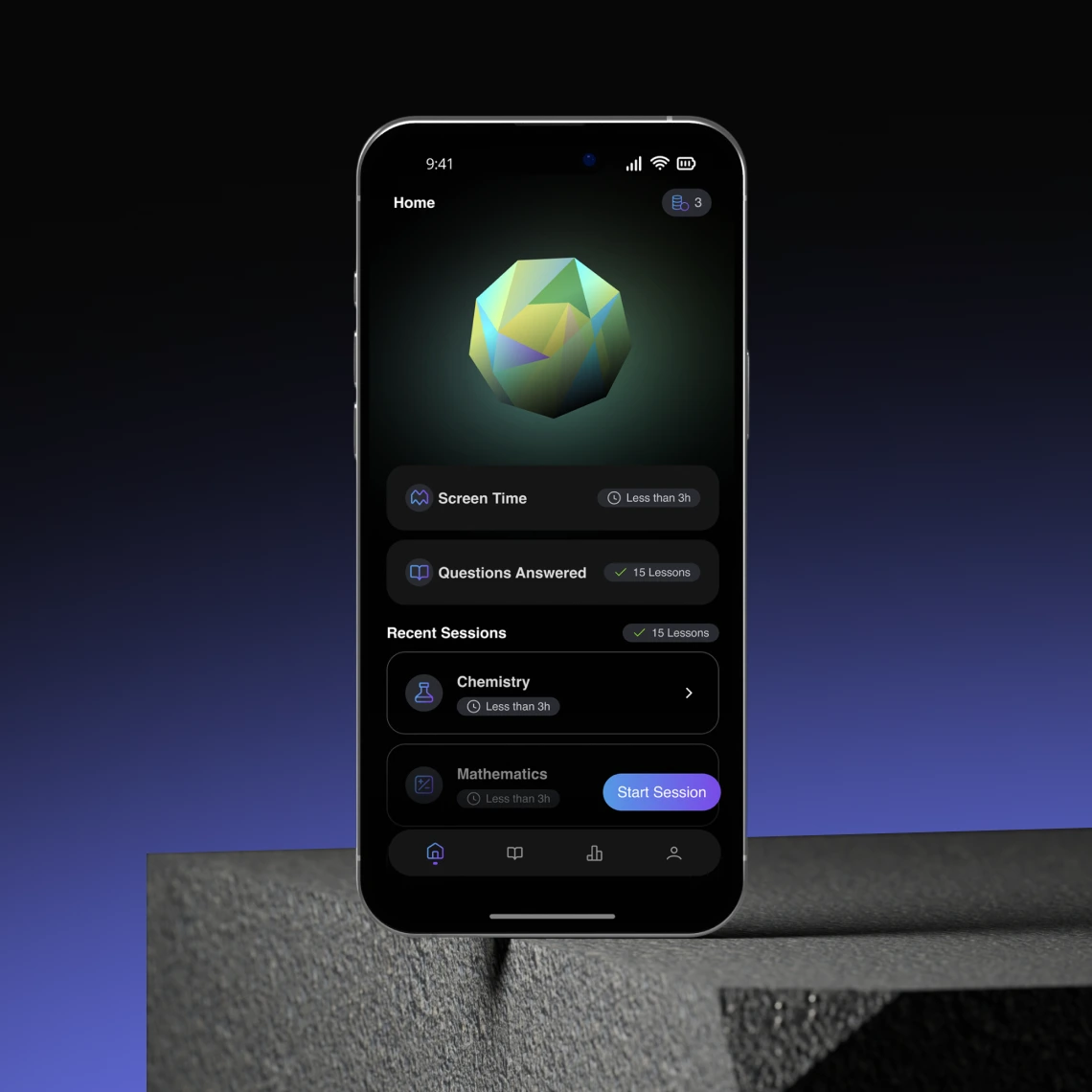
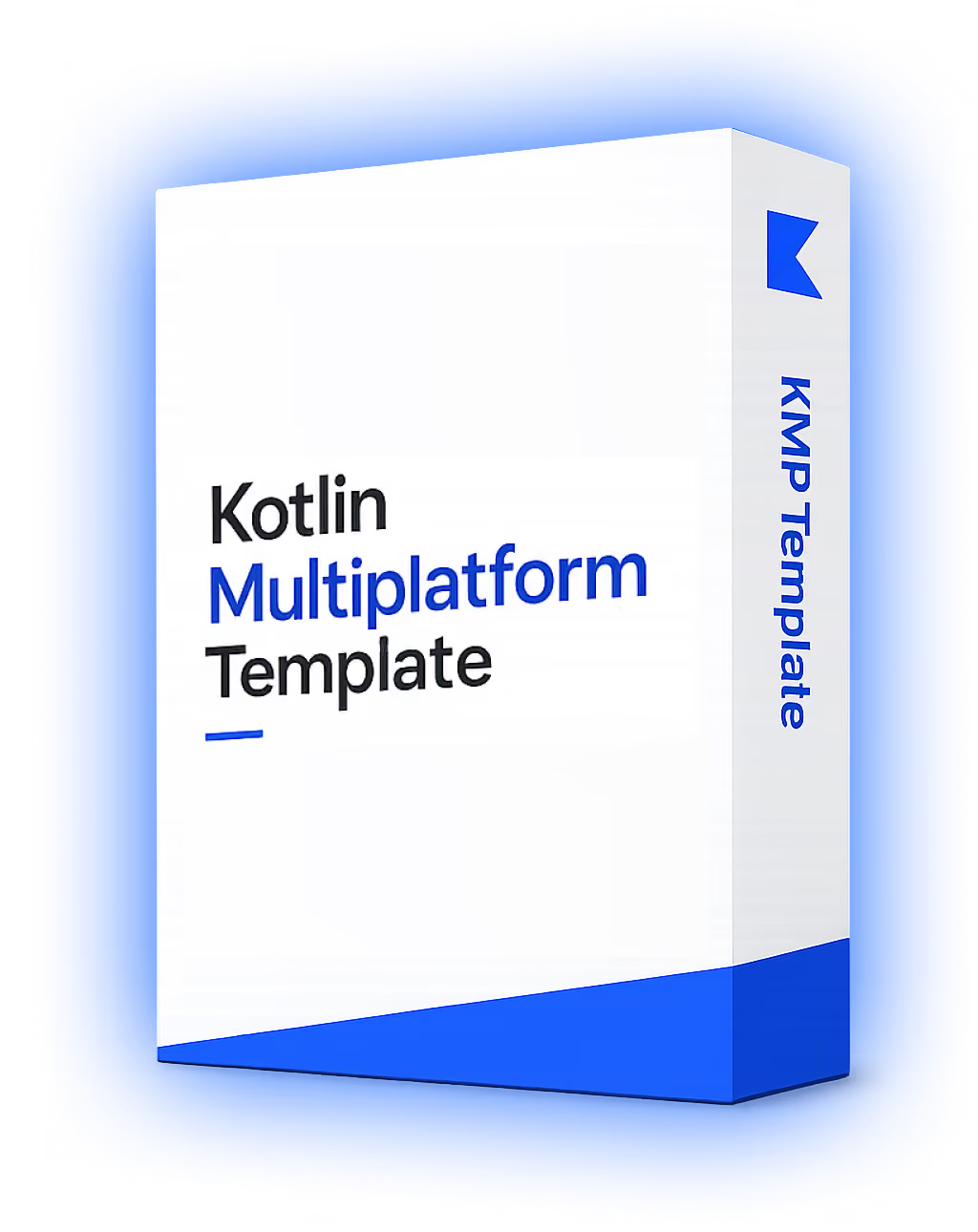
Here's the production-ready Kotlin Multiplatform template they built. Clean architecture, shared business logic, Firebase, Ktor.
And Yes, We’ve Probably Worked In Your Industry
%201%20(1).avif)
Launch healthcare apps patients actually use, fast and secure.
%201.avif)
Turn AI ideas into apps that wow your users.
%201.avif)
Keep learners engaged with interactive and easy-to-use apps.
%201.avif)
Boost user engagement and loyalty with beauty apps.
%201.avif)
Make every event easy, from schedules to ticketing.
%201.avif)
Connect customers to services instantly.
%201.avif)
Build an app that fits your industry’s unique challenges.
Our Development Process
We start by listening to your goals and specific needs, ensuring we understand your app’s vision clearly.
Based on the gathered information, you get a detailed project plan, including a precise timeline, cost estimation, and defined milestones, ensuring full transparency.
Our team begins the design and development phase, keeping you involved at every stage with regular progress updates and the opportunity for feedback to ensure alignment with your goals.
Before launch, the app goes through rigorous testing to ensure it meets the highest standards of functionality, performance, and user experience, eliminating bugs or issues.
Once everything is ready, we take care of the deployment process, making sure it’s properly set up on app stores or other platforms.
After launch, we offer continuous support to ensure your app stays up-to-date and runs smoothly, adapting to your needs over time.
.png)
.svg)
FAQ

Tell us about your project
You’re one step away from getting the right developers.
"Aetherius' work achieved the correct functionality, satisfying the client's expectations, and planning to collaborate on a larger project in the future."
