Pioneers in Kotlin Multiplatform
We were early adopters of Kotlin Multiplatform at a time when most teams were still skeptical about production readiness.
Whether you’re starting a KMP project from scratch or migrating an existing app, stability is guaranteed.
Our iOS developers work in Kotlin Multiplatform as well!
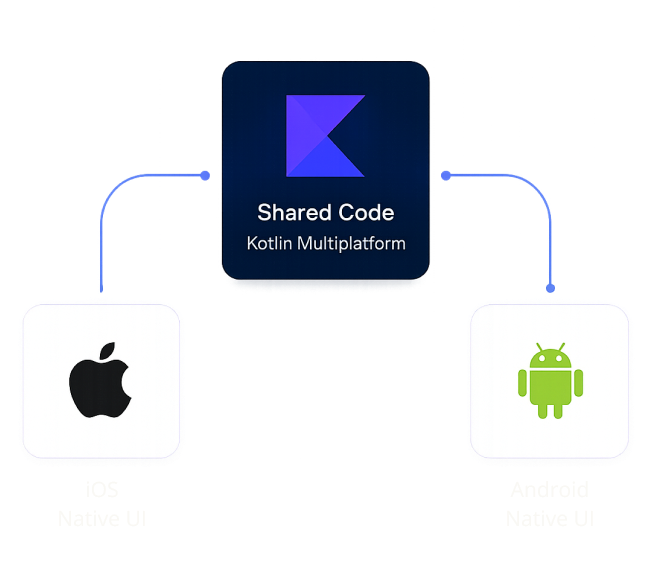
Types of KMP Development Services
Cross-platform API integration
We build a shared Kotlin Multiplatform logic layer for iOS and Android, covering authentication, payments, analytics, and core business logic.
This ensures consistency across platforms, fewer integration issues, and faster QA cycles in enterprise environments.
Platform-Specific UI/UX Design
Native user experience is preserved on both iOS and Android while shared logic runs in Kotlin Multiplatform.
This allows enterprise teams to meet strict UX expectations per platform without maintaining two separate backend implementations.
Native Feature Integration
Platform-specific capabilities such as push notifications, GPS, camera, biometrics, and sensors are implemented natively where needed.
This ensures full device functionality while maintaining shared business logic across iOS and Android.
Kotlin Multiplatform Consulting & Migration
Support for teams adopting KMP or scaling existing implementations in enterprise environments, including integration into ongoing mobile projects, migration from native or cross-platform codebases, stabilization of architecture in projects with increasing delivery risk, and enabling in-house teams or external partners to work effectively with Kotlin Multiplatform.
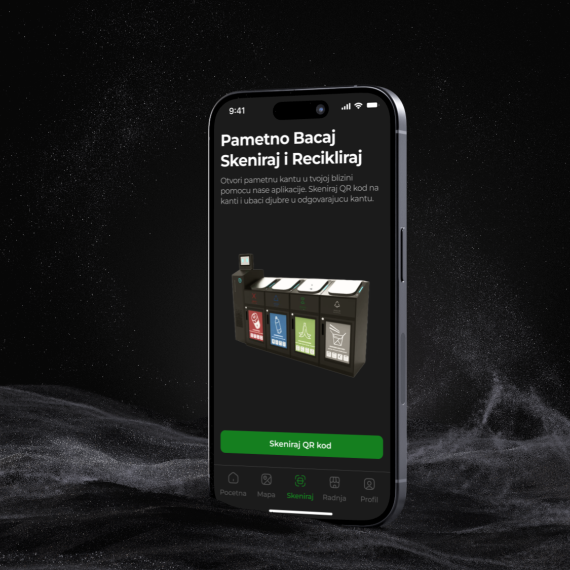
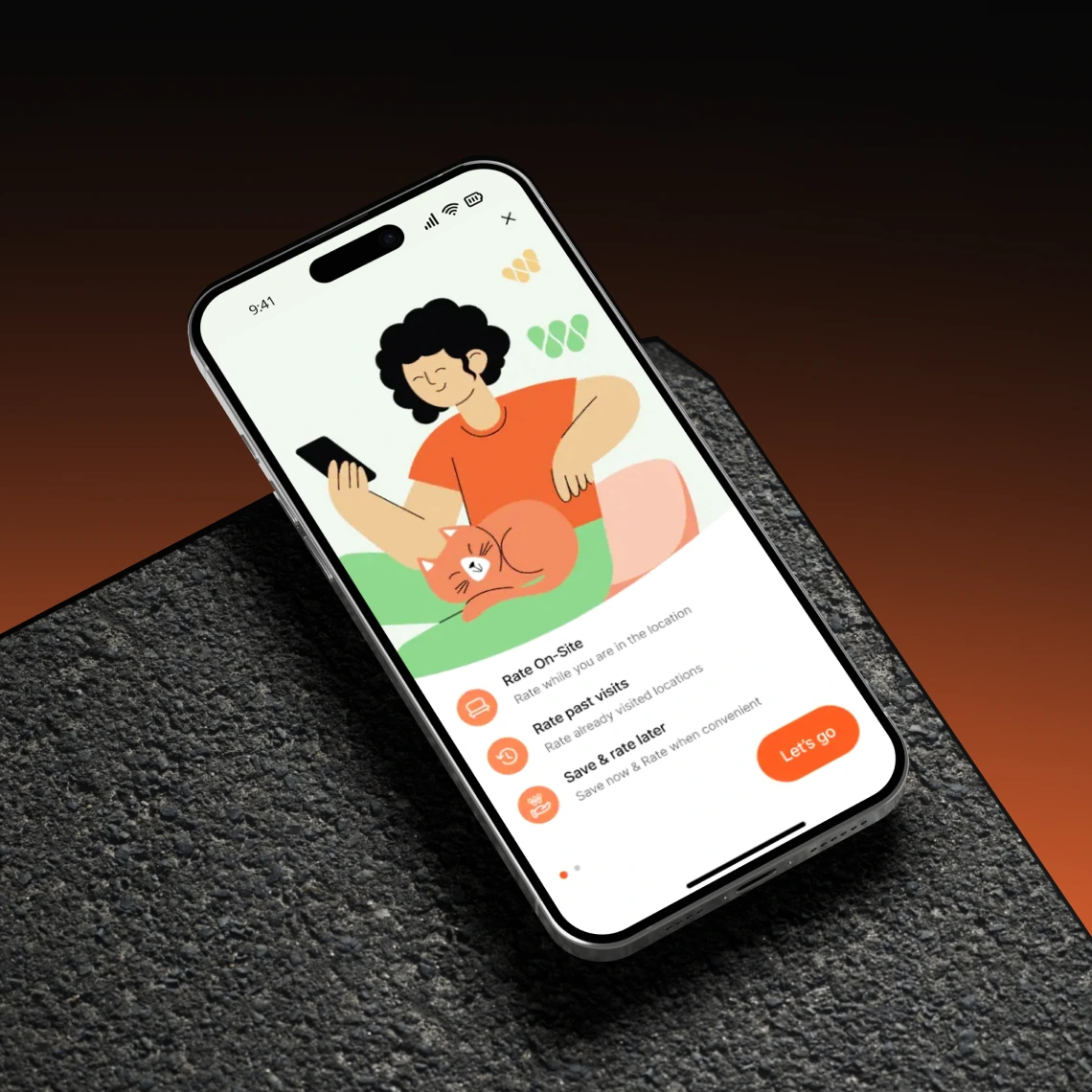
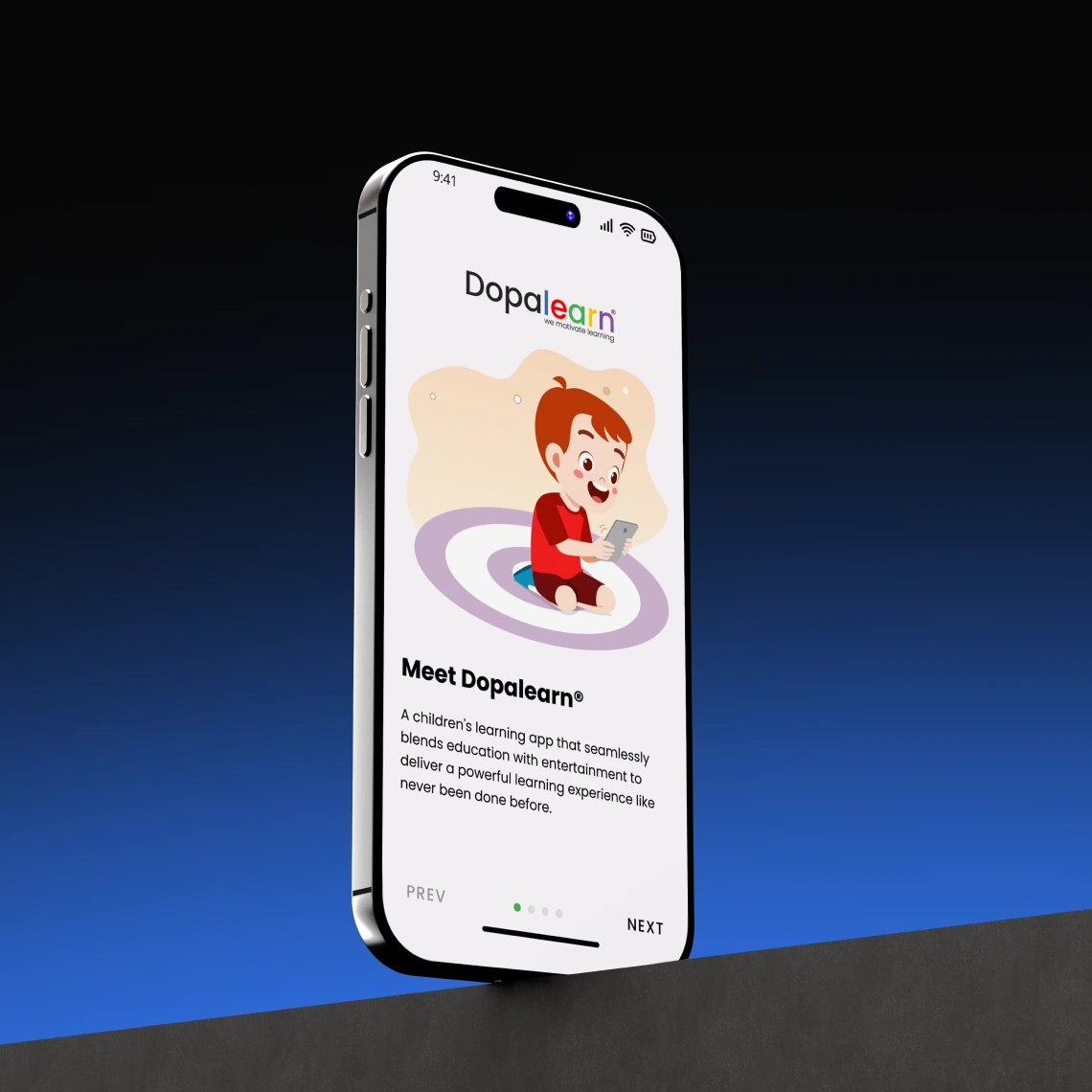
Apps We Built For Clients

.svg)
Don’t Just Take Our Word For It, See What Our Clients Say.




“Thanks to Aetherius, the client met deadlines, maintained quality, and handled multiple projects without slowing down development. The team managed the project well and communicated through virtual meetings. The client also praised the developers' seniority and their quick integration.”


“Aetherius built SDKs for our apps across multiple platforms. The development process was smooth, and working with their team was a good experience from start to finish. Any questions we had were handled quickly.”


"Aetherius helped the client improve revenue and customer ratings. The team always provided content on time and took the initiative to solve things really quickly."


"Aetherius' work achieved the correct functionality, satisfying the client's expectations, and planning to collaborate on a larger project in the future."


"What stood out most about Aetherius was their exceptional adaptability and dynamic problem-solving approach."

.png)
"I worked with Aetherius team on an early-stage project. They were great at taking direction and executing a functional prototype of our concepts.
Would love to work with his team again."


"We have had a great experience with Aetherius Solutions. Their skilled developers provided us with clear and detailed information, ensuring effective communication throughout the project.
I would highly recommend them for any project you might have."

"Aetherius team reassured us with their experience and knowledge that there are still companies that respect agreements. We successfully executed our plans, and the team followed our desires throughout, consistently working on the Salona application."


"We had a specific industry problem and wanted to help people solve it with a unique app. Our first plan was to test the MVP version in a couple of smaller cities in Serbia, but we didn't expect to encounter such positive reactions from users so quickly. Aetherius's team developed the first version in just 1 month with O bugs and issues!"


"Aetherius successfully completed the app, meeting our expectations.
Moreover, the team communicated effectively and frequently via email and messaging apps, ensuring a smooth collaboration. Overall, their promptness and ability to deliver on time were hallmarks of their work."


"Aetherius developers immediately identified why my app was experiencing bugs that had been a problem for over a year! After that, the number of downloads increased, and users told me it felt like they were using a completely new app. I especially appreciate their detailed reporting on the process."


"Aetherius successfully delivered a functional cross-platform app on schedule, meeting all requirements. The team established a CI/CD pipeline and monitoring framework, enabling rapid iteration cycles. Aetherius' project management was well-structured and responsive. Their technical depth stood out."


This Is How Our Engineers
Build KMP Apps
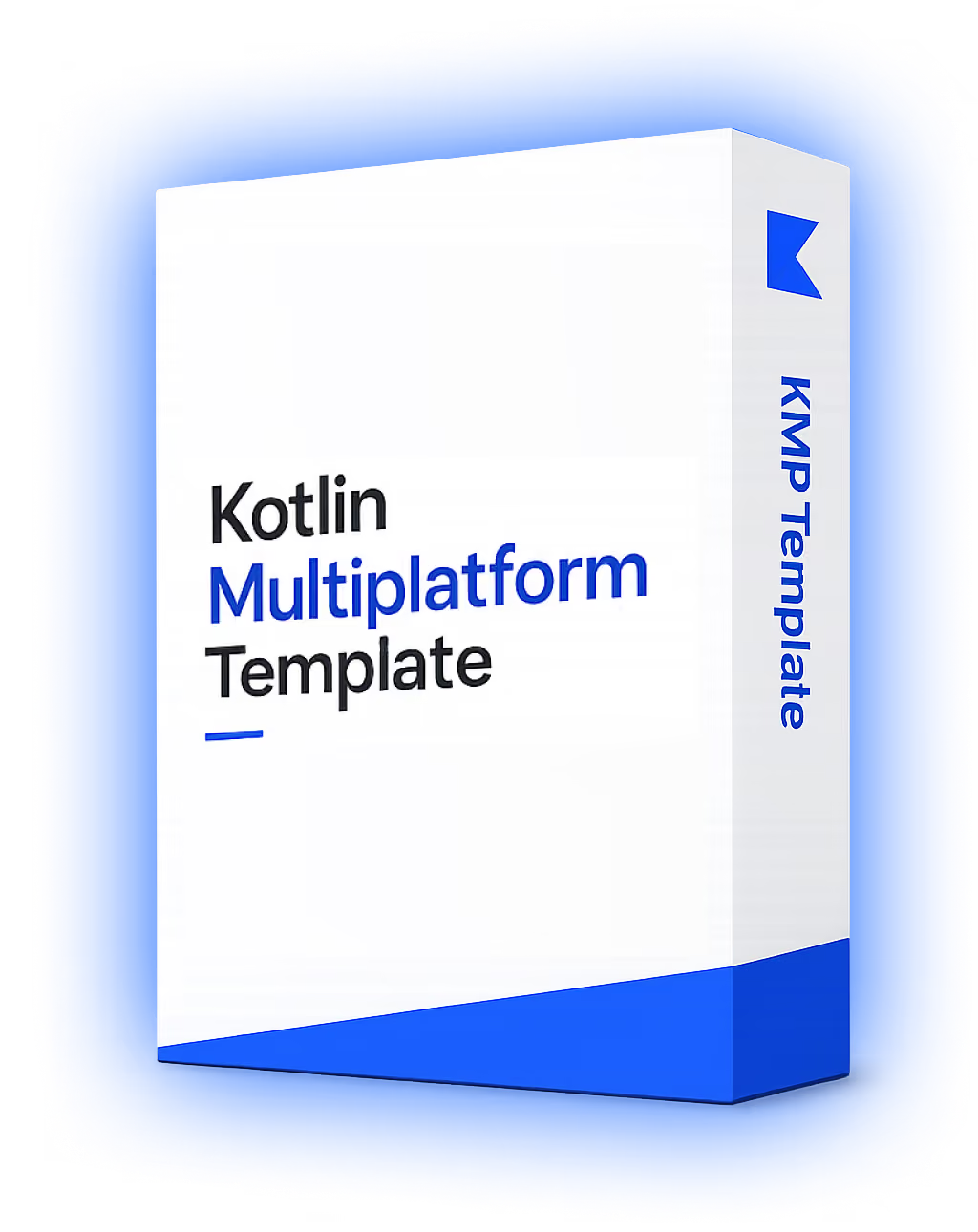
Here's the production-ready Kotlin Multiplatform template they built. Clean architecture, shared business logic, Firebase, Ktor.
And Yes, We’ve Probably Worked In Your Industry
%201%20(1).avif)
Launch healthcare apps patients actually use, fast and secure.
%201.avif)
Turn AI ideas into apps that wow your users.
%201.avif)
Keep learners engaged with interactive and easy-to-use apps.
%201.avif)
Boost user engagement and loyalty with beauty apps.
%201.avif)
Make every event easy, from schedules to ticketing.
%201.avif)
Connect customers to services instantly.
%201.avif)
Build an app that fits your industry’s unique challenges.



Tell us about your project
You’re one step away from getting the right developers.
"Aetherius' work achieved the correct functionality, satisfying the client's expectations, and planning to collaborate on a larger project in the future."

FAQ